Interior protection
AEDs are medical devices and must be installed in conditions that meet their recommendations.
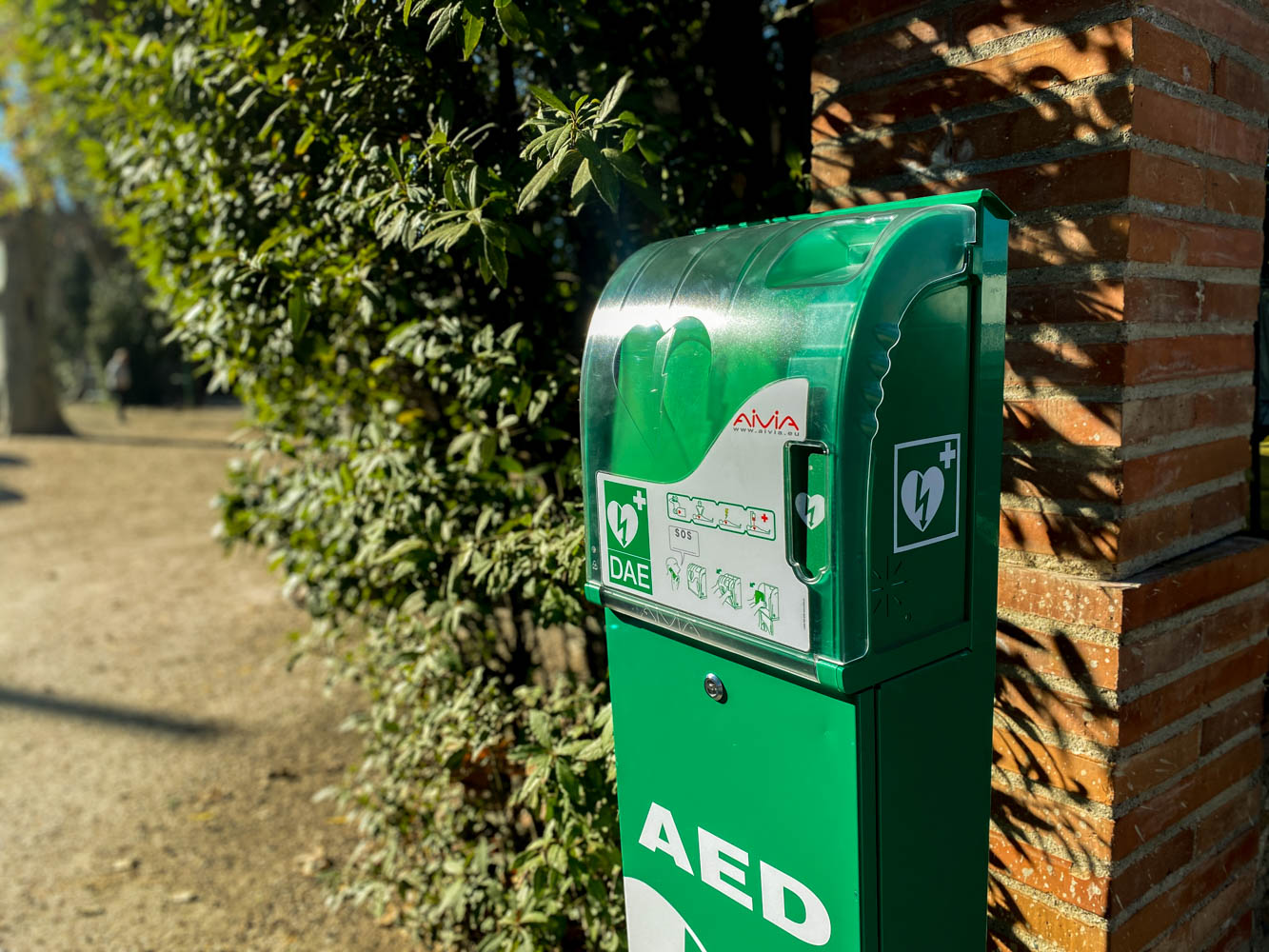
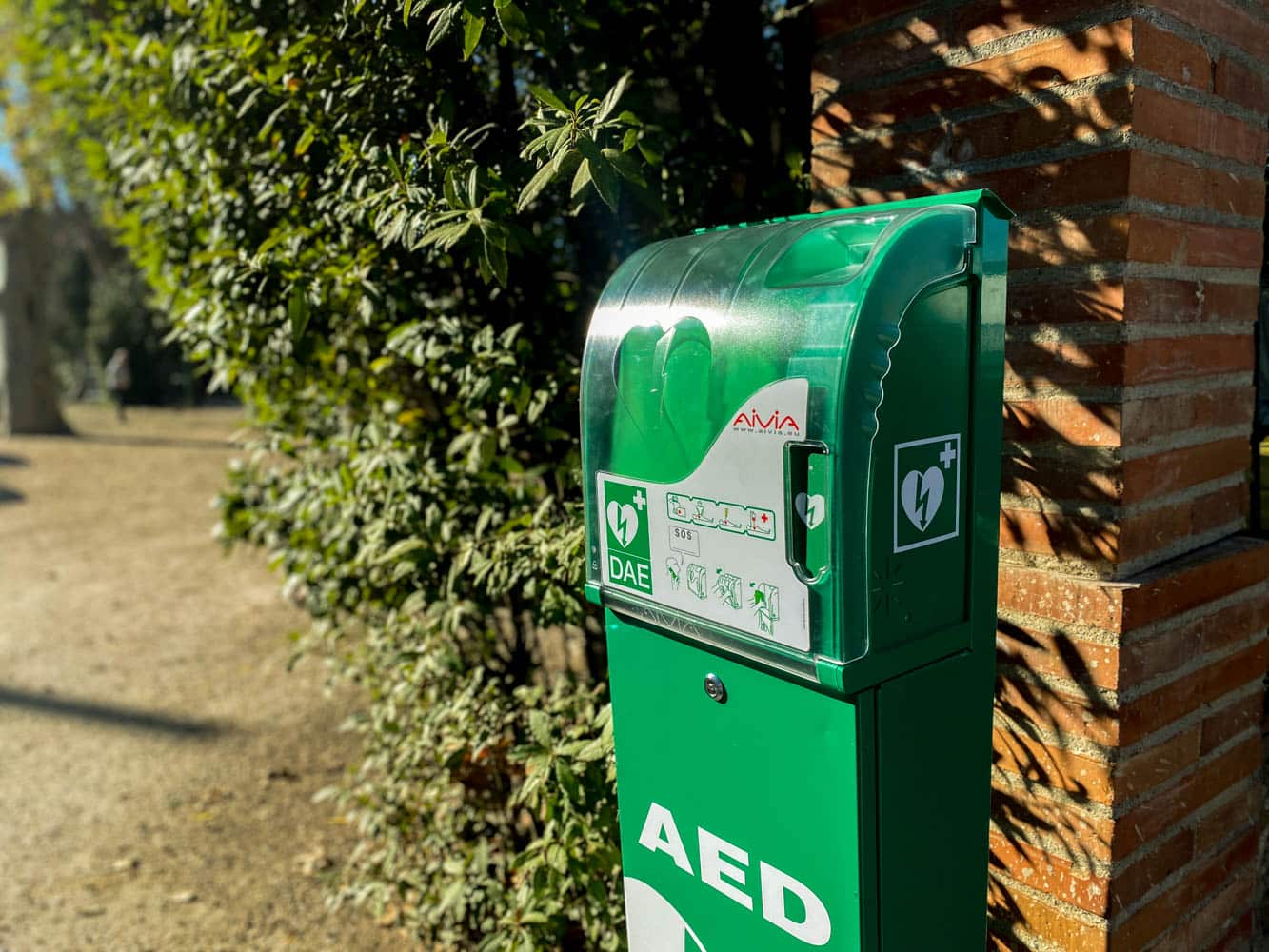
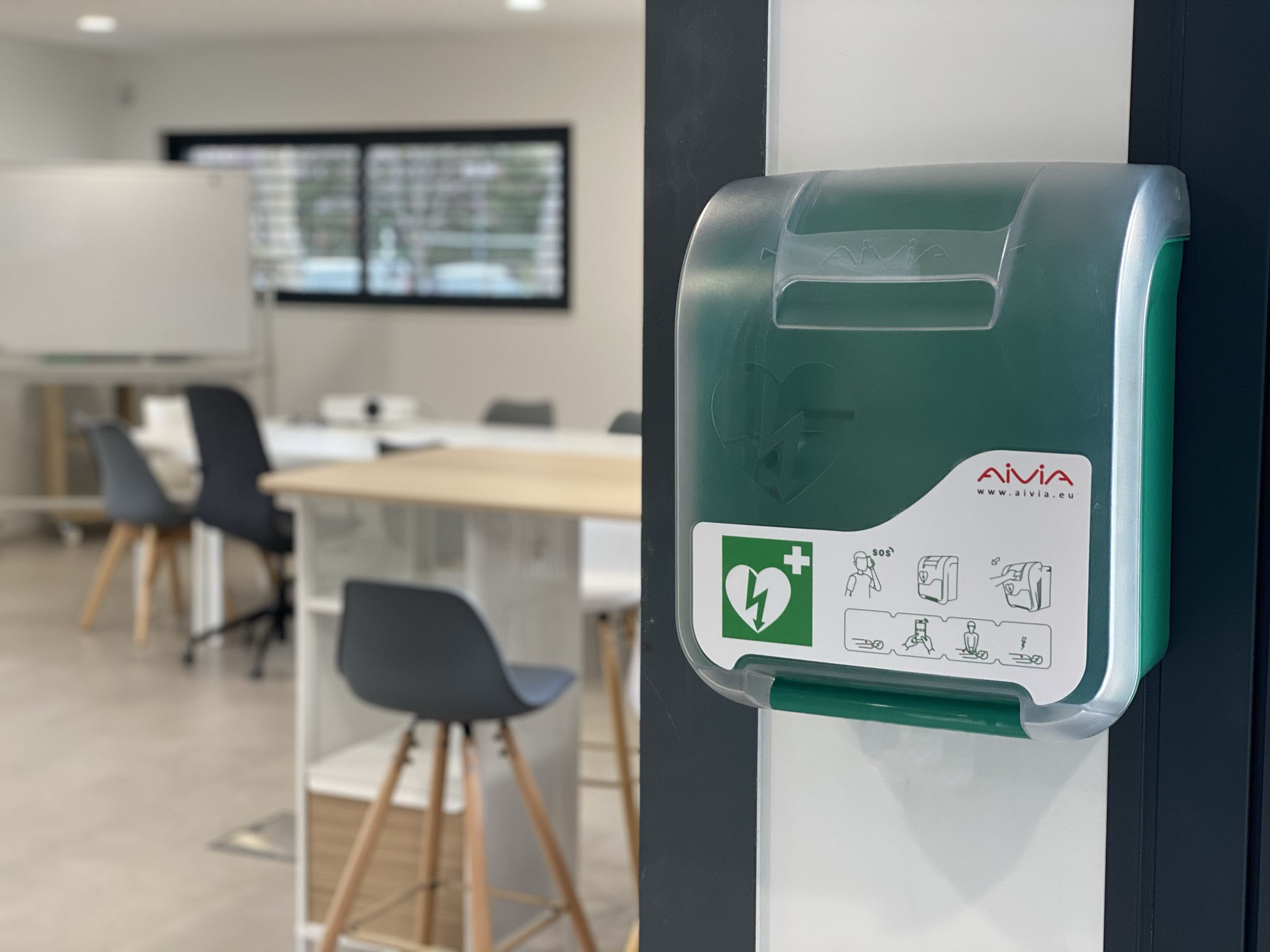
The AIVIA interior range protects the AED in its environment while facilitating access in the event of an emergency.

Cardio respiratory arrest, more commonly known as “sudden death”, is the leading cause of death in developed countries. To increase survival rates, health authorities are encouraging the public availability of automated external defibrillators (AEDs).
country
AIVIA installed
years of experience
The AIVIAnet platform manages all the AEDs contained in the monitoring cabinets.
The platform displays information on the AED’s standby indicator and all information relating to its environment (opening, removal of the AED, out-of-range temperatures, expiry of consumables, etc.).
AIVIA cabinets are designed with materials adapted to maximize impact resistance, using intelligent components and a shape designed to protect from the elements and prevent condensation.
Our AIVIAnet cabinets and software are compatible with all brands of defibrillators to meet the needs of everyone, even those with multi-brand fleets!
Signage is an integral part of any defibrillator installation. Too often neglected, it’s essential for us! Our AIVIAs can be fitted with (customized) signage.
AIVIA cabinets are equipped with a ventilation system to extract heat and humidity from the cabinet. The fan prevents condensation and problems when opening the door.
Our heated AIVIA cabinets can maintain a positive temperature in the cabinet at outside temperatures down to -20°C.
Developed and manufactured in France, AIVIA products comply with all applicable regulations (EU and USA) and are subject to rigorous quality control.
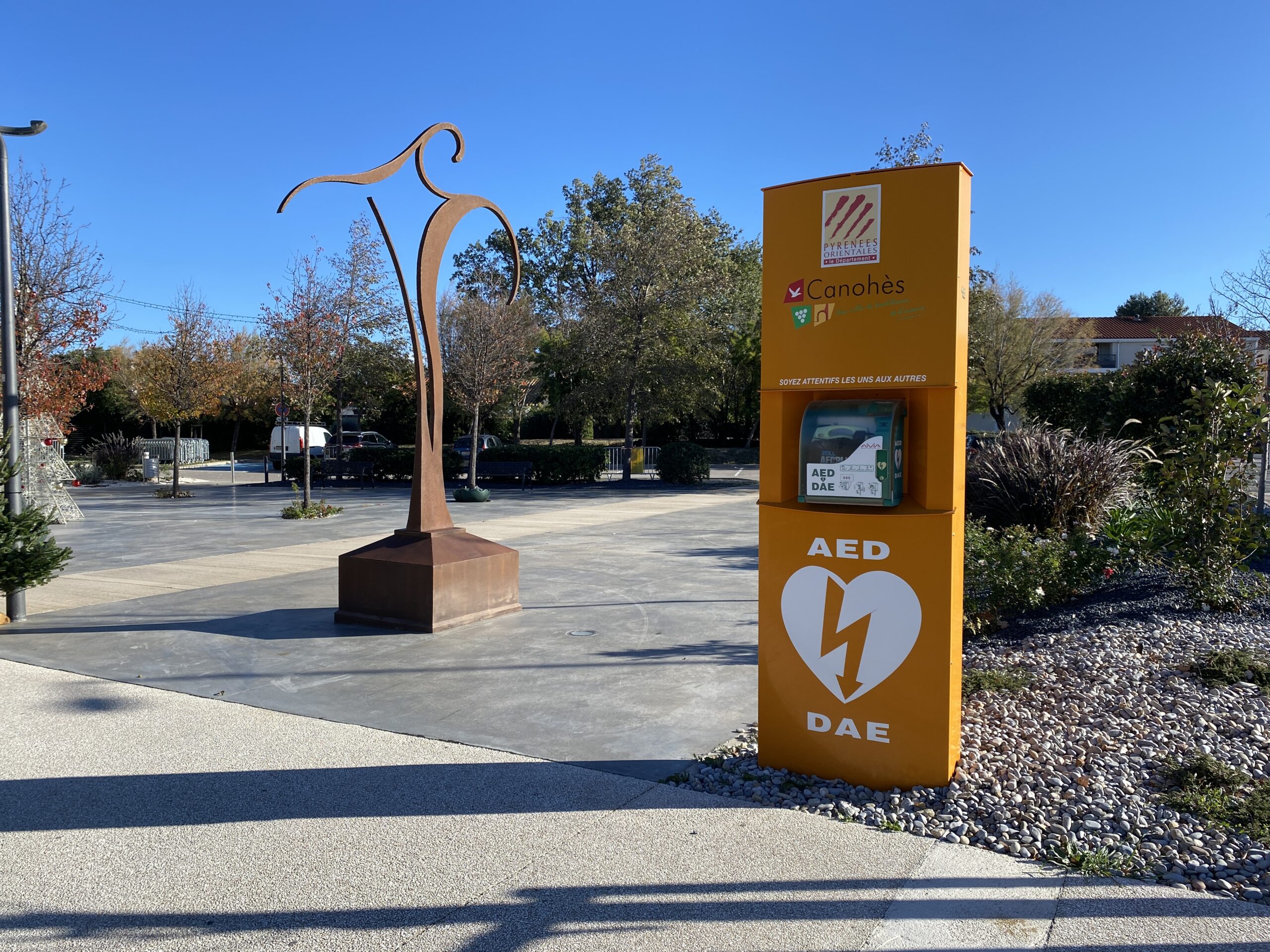
AIVIA cabinets have been protecting and monitoring defibrillators since 2006. From a simple AED protection cabinet to a complete terminal that can be positioned outdoors, the AIVIA range has a solution to suit every need.
The AIVIA cabinet fits all AEDs!
The AED status indicator must be visible at all times. A transparent cover not only makes it easy to see the contents of the cabinet, but also to inspect the AED.
The AIVIA 200 is equipped with an audible alarm to signal AED removal. The audible alarm sounds for about 3 minutes. This alarm, combined with flashing red lights, combines audible and visual alarms!
These red lights also warn of ambient temperatures that are too hot or too cold. A continuous flashing red light is triggered when temperatures fall below 5°C (41°F) or rise above 40°C (104°F).
AIVIA is equipped with a light detector. In low-light conditions, flashing white lights identify the AIVIA's location.
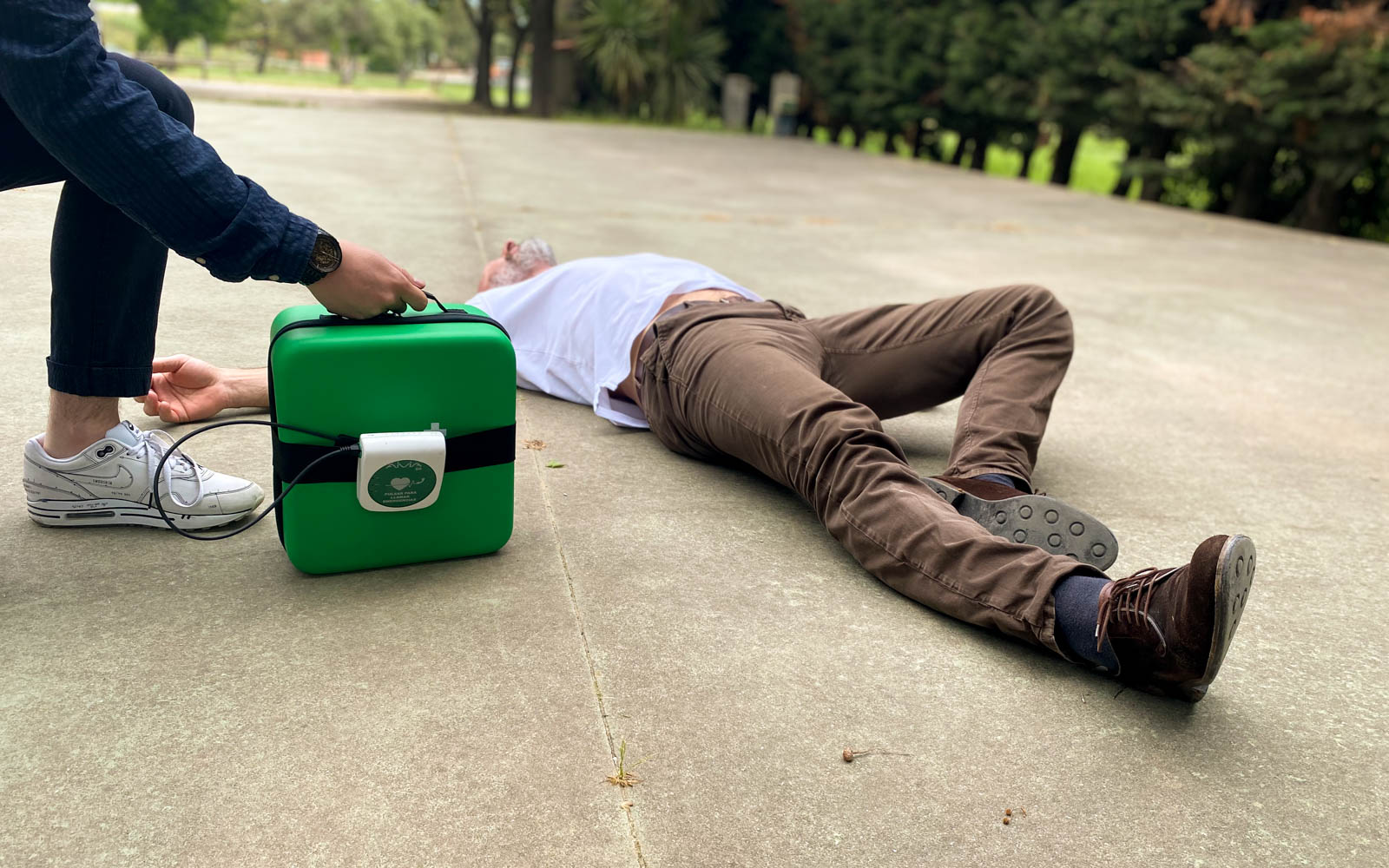
The AED must be freely accessible to allow rapid action at any time! A large percentage of cardiac arrests occur at home, in the evening for example. Installing a defibrillator indoors can limit access to the AED to the opening hours of an equipped building.
Mass deployment of AEDs in public and private sites is a recognized solution, but AEDs need to be accessible in all types of locations and 24 hours a day.
AED wall-mounted cabinets are not considered "outdoor" simply because they are made from specific materials (fiberglass or non-corrosive stainless steel, acrylic or polycarbonate windows, specific paints used on these materials to color the cabinet, fairly high IP protection rating...).
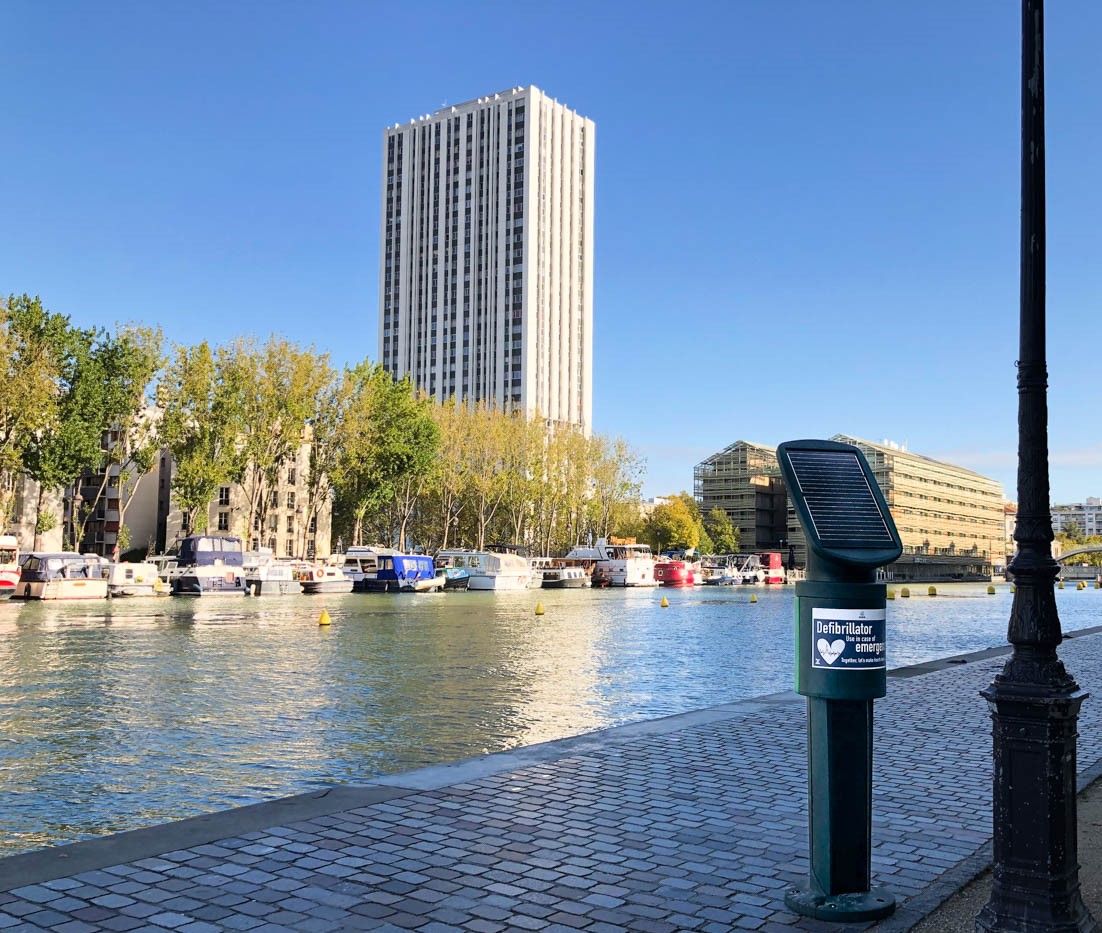
Outdoor enclosures need to offer more features to enable effective protection in outdoor conditions, and in particular against outside temperatures.
The AED is a medical device that must be installed in a temperate environment to avoid premature deterioration (manufacturer's requirements are generally 0°C to 50°C). Hot and cold temperatures can be a constraint, and if these outdoor exposure constraints are not taken into account, the AED could be damaged (electrodes, battery...). For this reason, a controlled convection heating and ventilation system, activated by a temperature sensor and configured thresholds, is highly recommended. The heating system keeps the AED's operating temperature within certain limits. The fan extracts heat from the AIVIA.
No physical intervention is required on site to start heating or ventilation!
AIVIA cabinets are equipped with a temperature sensor. A temperature threshold is preset in its system at 10°C (50°F) to automatically activate heating. For hot temperatures, the threshold is preset at 30°C to activate the ventilation system.
Contrary to popular belief, too high an IP rating can cause more problems than it solves.
The highest IP rating must be combined with other features to prevent condensation, to evacuate heat from the cabinet compartment... AIVIA enclosures benefit from intelligent design, features and components to avoid likely problems and achieve the most effective weather protection possible.
The shape of our AIVIA armories is designed to facilitate the fall of rain, and requires no watertight joints to limit the effects of condensation and relative humidity. With an IP 44 rating, AIVIA is weatherproof. the cabinet is protected against splashing water (from any direction) and against the penetration of solid objects larger than 1 mm.
The AED must be accessible to all, to enable rapid action in the event of an emergency. If access to the AED is restricted by an opening code, key or other means of access control, the emergency process can be delayed... and minutes are precious!
An alarm activates when the AED is removed and warns if the AED is stolen. However, the very low rates of vandalism or theft, combined with the need to act quickly, do not justify equipping AED cabinets with locking devices.